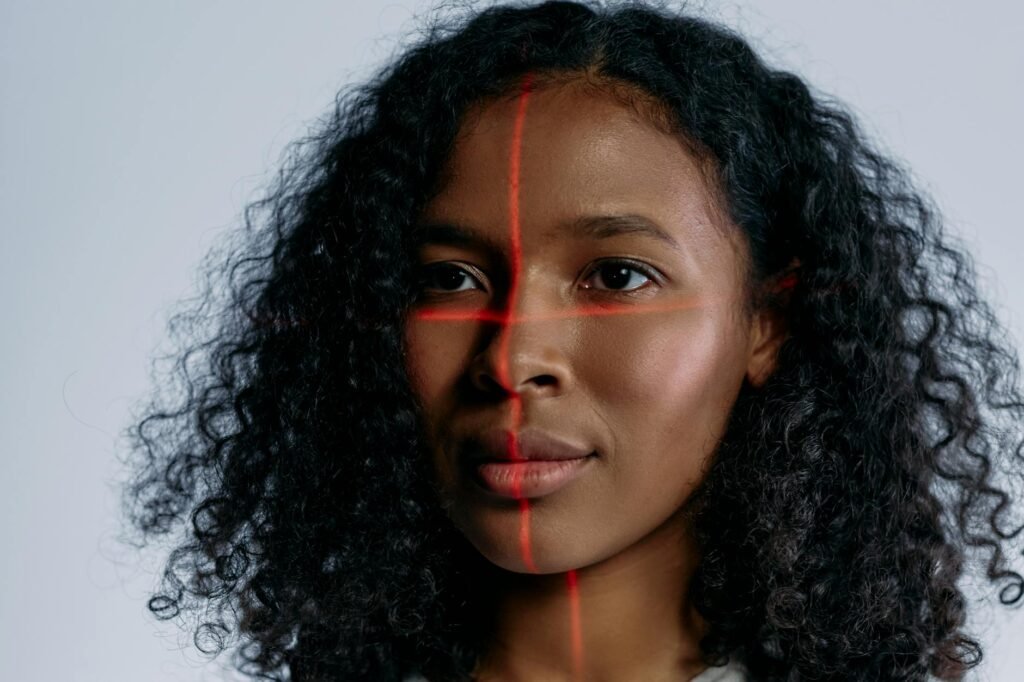
- The Silent Revolution Begins
- Related Video Analysis
- How Gesture Recognition Technology Works: A Glimpse Behind the Curtain
- Sensing the Invisible: From Cameras to Radar
- The Brain of the System: Algorithms and AI
- Everyday Impact: Where You’ll See Gesture Recognition Flourish
- Smart Homes and Consumer Gadgets
- Reshaping Healthcare and Surgery
- Driving the Future of Automotive
- Transforming Industrial Workflows
- Gaming and Entertainment: The Original Frontier
- The Uncensored Future: Challenges and Ethical Considerations
- Precision and Contextual Understanding
- Privacy Concerns and Data Security
- Accessibility and Inclusivity
- What’s Next for Gesture Recognition Technology?
Gesture Recognition Technology: 7 Uncensored Secrets Reshaping Your World
Summary
A silent revolution is sweeping through our digital existence. Gesture recognition technology, once science fiction, now profoundly influences how we interact with devices, environments, and even each other. This isn’t just about waving your hand; it’s a sophisticated interplay of sensors, AI, and algorithms interpreting human movement to command systems without touch. Imagine conducting a virtual orchestra or performing surgery with subtle hand movements. This transformative innovation promises a more intuitive, accessible, and immersive future, unlocking new paradigms across industries from healthcare to automotive. It’s a game-changer, fundamentally redefining the human-machine interface.
The Silent Revolution Begins

The world stands on the cusp of a profound shift in how humans interface with machines. Gone are the days when keyboards, mice, and touchscreens were our only conduits to digital realms. Today, a more primal, intuitive form of communication takes center stage: gestures. This isn’t magic; it’s gesture recognition technology, a sophisticated marvel enabling devices to understand and respond to our natural body movements, hand signals, and even facial expressions. It’s a fundamental rethinking of interaction, moving beyond tactile input to an era where our very presence and actions become the interface. This technology promises not just convenience but a seamless bridge between our physical and digital worlds.
Imagine controlling your smart home with a flick of the wrist, navigating complex medical imaging without touching a single surface, or engaging with immersive virtual realities through natural movement. These scenarios are no longer distant dreams. They are present realities, driven by advancements in sensor design, computational power, and artificial intelligence. The implications are vast, touching every sector and reimagining countless daily tasks.
Related Video Analysis
For a deeper visual understanding of this revolutionary field, explore the latest breakthroughs here: https://www.youtube.com/results?search_query=gesture recognition technology”>https://www.youtube.com/results?search_query=gesture recognition technology. These videos provide dynamic demonstrations and expert insights, offering invaluable context to the technical principles discussed.
How Gesture Recognition Technology Works: A Glimpse Behind the Curtain
Understanding the magic requires peering behind the curtain. Gesture recognition technology functions through a multi-layered process, beginning with sensing, moving through data processing, and culminating in interpretation. It’s an intricate dance between hardware and software, designed to mimic the human brain’s ability to discern meaning from motion. The core principle involves capturing movement data, analyzing it against a predefined library of gestures, and then executing a command based on that match. Precision and speed are paramount, ensuring a fluid, natural user experience. The system must not only see your movement but comprehend your intent.
Sensing the Invisible: From Cameras to Radar
The first crucial step involves capturing the raw data of human motion. Various sensor technologies achieve this, each with unique strengths. Optical sensors, primarily cameras, are perhaps the most common. They record visual data, tracking body parts, skeletal joints, or specific markers. Depth-sensing cameras, like those utilizing infrared light or time-of-flight principles, provide a 3D understanding of space, differentiating foreground from background and accurately measuring distances. This depth information is vital for precise gesture interpretation.
Beyond visual, other sensor types play significant roles. Inertial Measurement Units (IMUs), often found in wearables, detect acceleration and angular velocity, translating wrist twists or arm swings into commands. Radar technology, emerging as a powerful contender, can detect micro-gestures and even biological signals through various materials, offering touchless interaction without direct line of sight. Ultrasonic sensors use sound waves to map distances and detect movement. The fusion of these diverse data streams often yields the most robust and accurate systems, overcoming the limitations of any single technology.
The Brain of the System: Algorithms and AI
Raw sensor data is just noise without intelligent processing. Here, algorithms and artificial intelligence transform chaotic movement into meaningful commands. The process begins with pre-processing, where noise is filtered out, and the data is standardized. Next, feature extraction isolates key characteristics of the movement – the velocity of a hand wave, the shape of a finger curl, or the trajectory of an arm swing. These features become the signature of a particular gesture.
Machine learning models, especially deep learning neural networks, then take over. They are trained on vast datasets of human movements, learning to distinguish between a “swipe left” and a “push button” with remarkable accuracy. These models analyze the extracted features, compare them to learned patterns, and predict the intended gesture. The system then triggers the corresponding action. Constant refinement through user interaction helps these AI models improve over time, making the gesture recognition technology more intuitive and responsive. This iterative learning is key to adapting to diverse user styles and environmental conditions.
Everyday Impact: Where You’ll See Gesture Recognition Flourish
Gesture recognition technology is not confined to laboratories or niche applications. It is rapidly permeating our daily lives, transforming how we interact with consumer electronics, driving innovation in critical industries, and making technology more accessible than ever before. Its true power lies in its versatility and capacity to create intuitive, hands-free experiences. We are moving towards a world where our natural movements are not just expressive but functional, seamlessly integrating with the digital tools that surround us.
Smart Homes and Consumer Gadgets
Imagine adjusting your thermostat with a simple hand rotation in the air, or muting your smart speaker with a quick swipe. In the smart home arena, gesture recognition technology promises unparalleled convenience. It allows for effortless control of lights, entertainment systems, and appliances, reducing the need to hunt for remotes or navigate complex menus on a screen. Wearable devices, like smartwatches, already incorporate subtle gestures for navigation and notification management. The future of consumer electronics points towards a more proactive, context-aware interaction, where devices anticipate our needs based on our movements. This shift makes technology feel less like a tool and more like an extension of ourselves.
Reshaping Healthcare and Surgery
The sterile environment of an operating room demands precision and minimal contamination. Here, gesture recognition technology offers life-saving advantages. Surgeons can navigate medical images, zoom in on critical areas, or adjust settings on equipment without touching any physical controls, drastically reducing the risk of spreading pathogens. This hands-free interaction ensures focus remains entirely on the patient. For patients with limited mobility or dexterity, gesture interfaces open new avenues for controlling assistive devices, communicating, and interacting with their environment. From rehabilitation exercises guided by motion tracking to touchless access to patient records, the healthcare sector is experiencing a profound, positive transformation.
Driving the Future of Automotive
The modern car cockpit can feel cluttered with buttons and screens. Gesture recognition technology is poised to streamline this experience, enhancing safety and convenience. Drivers could answer calls, adjust audio volume, or control navigation with intuitive hand movements, keeping their eyes on the road. BMW, Mercedes-Benz, and other luxury manufacturers already integrate such systems, allowing occupants to interact with infotainment without diverting attention. As autonomous vehicles become more prevalent, gesture recognition will play an even larger role, facilitating seamless communication between passengers and the vehicle’s AI, and even between the vehicle and pedestrians. The car of tomorrow will respond not just to our touch but to our intent.
Transforming Industrial Workflows
In manufacturing, logistics, and other industrial settings, efficiency and safety are paramount. Gesture recognition technology empowers workers to interact with machinery and digital interfaces while keeping their hands free for tasks or protected by heavy gloves. Maintenance technicians can access schematics or repair manuals on augmented reality overlays with a simple wave, without ever putting down their tools. Assembly line workers can confirm steps or call up instructions, boosting productivity and reducing errors. This hands-free approach minimizes contamination risks in cleanroom environments and improves ergonomic conditions, reducing strain and fatigue for workers performing repetitive tasks. The industrial application of this technology is not just about automation but about augmenting human capability.
Gaming and Entertainment: The Original Frontier
For many, their first encounter with gesture recognition technology came through gaming. Systems like the Nintendo Wii and Microsoft Kinect pioneered immersive, full-body interaction, bringing living room gaming to an entirely new level. Today, virtual reality (VR) and augmented reality (AR) headsets heavily rely on gesture recognition, allowing users to manipulate virtual objects, navigate digital spaces, and interact with avatars using natural hand and finger movements. This direct, embodied interaction breaks down the barriers between player and game, creating truly immersive experiences. Beyond gaming, gesture-controlled interfaces enhance interactive museum exhibits, live performances, and educational simulations, making content more engaging and accessible.
The Uncensored Future: Challenges and Ethical Considerations
While the promise of gesture recognition technology is immense, its widespread adoption faces significant challenges. Like any powerful innovation, it carries ethical implications that demand careful consideration. Navigating these complexities ensures the technology develops responsibly and benefits all of humanity. We must address technical hurdles, privacy concerns, and accessibility gaps to truly unleash its potential. A thoughtful approach now prevents problems later.
Precision and Contextual Understanding
One persistent challenge lies in achieving consistent, high-level precision and contextual understanding. Human gestures are inherently diverse; people perform the same action slightly differently based on culture, habit, or even momentary mood. Systems must differentiate between an intentional command and an accidental movement. Environmental factors like lighting, background clutter, or even the user’s clothing can interfere with sensor accuracy. Developing algorithms that are robust enough to handle this variability, while also understanding the intent behind a gesture within a specific context, remains a complex engineering task. False positives or missed commands can quickly frustrate users and undermine confidence in the technology.
Privacy Concerns and Data Security
As gesture recognition technology becomes ubiquitous, the collection of biometric data—information about our unique movements and physical characteristics—raises significant privacy concerns. Who owns this data? How is it stored and secured? Could movement patterns or unique gestures be used for identification or surveillance without consent? Companies developing these systems must prioritize transparent data policies, robust encryption, and strict access controls. Regulations like GDPR are crucial in establishing frameworks for data protection. Users must feel confident that their physical interactions are not being exploited or misused. The balance between convenience and privacy is a delicate tightrope walk.
Accessibility and Inclusivity
While gesture recognition technology holds immense potential for improving accessibility, it also risks creating new barriers if not designed inclusively. Not everyone can perform the same range of motion or specific gestures. Individuals with physical disabilities, tremors, or conditions affecting motor control might struggle with predefined movements. Designing truly inclusive systems means offering customizable gesture libraries, adapting to individual capabilities, and integrating alternative input methods. The goal is to empower a wider spectrum of users, not to exclude them. Consideration for cultural differences in gestures also forms a critical part of ensuring global accessibility and user acceptance.
What’s Next for Gesture Recognition Technology?
The journey for gesture recognition technology has only just begun. We stand at the precipice of a future where interaction with our digital world becomes as natural and instinctive as speaking or thinking. Imagine devices anticipating our needs, not through predictive algorithms based on past data, but by subtly interpreting our immediate intentions through nuanced body language. This level of seamless interaction moves beyond simple command execution to a true partnership between human and machine.
Expect to see deeper integration with haptic feedback, making virtual objects feel tangible, and with advanced AI that learns not just gestures, but the meaning behind sequences of movements. The convergence with brain-computer interfaces (BCI) could even enable mental commands, further blurring the lines between thought and action. The promise is a future where technology fades into the background, becoming an invisible extension of our will. This evolving field is not merely about new gadgets; it’s about fundamentally enhancing human potential, creating an environment where intuition reigns supreme, and our world responds with unprecedented fluidity. The future, quite literally, is in our hands.